AMERICAN FLYER D1748 Trains Gilbert Catalog Toy
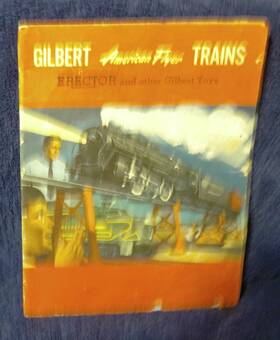
( Brand: American Flyer ), ( Manufacturer Part Number: D1748 ), ( Part Type: Train ), ( Material: Paper ), ( Year: 1954 ), ( Age Level: 17 Years Up ), ( Vintage: Y/n ), ( Country Of Origin: United States )
Review AMERICAN FLYER Original Trains And Gilbert Toys Catalog
The **American Flyer D1748 1954 Trains** model, as featured in the iconic **Gilbert Toys catalog** of the mid-20th century, represents a quintessential piece of vintage toy train history, blending nostalgic charm with meticulous engineering. This particular model was part of American Flyer s legendary **D1748 series**, a line celebrated for its lifelike detail, durable construction, and faithful replication of full-scale railroad operations. The train s design reflects the golden age of American toy trains, when Gilbert Toys under the guidance of the legendary **William Chalfant** pioneered the art of realistic model railroading for children and hobbyists alike. The D1748 was likely a **diesel locomotive**, a revolutionary advancement in real-world railroading that Gilbert seamlessly translated into its toy line, offering young enthusiasts a glimpse into the future of transportation. Its body, crafted from high-quality **pressed steel**, boasts a smooth, glossy finish that shines under bright lights, while the **hand-painted details** from the locomotive s cab windows to the tender s riveted panels exude an authenticity that sets it apart from mass-produced competitors. The model s **couplers** were likely the durable, snap-action **American Flyer "D" couplers**, designed to withstand the rigors of play without breaking, a hallmark of the brand s commitment to durability. Inside, the locomotive would have featured Gilbert s signature **electromagnetic motor**, delivering smooth, consistent power that allowed for realistic acceleration and braking, a feature that delighted both children and adult collectors. The accompanying **cab control** (if included) would have provided precise speed and direction control, mimicking the experience of operating a real diesel engine. The train s **track compatibility** was engineered to fit seamlessly into American Flyer s extensive network of **O gauge tracks**, allowing for expansive layouts that could include tunnels, trestles, and scenic landscapes all hallmarks of the era s model railroading culture. For collectors today, the D1748 holds immense value as a relic of a time when toy trains were not just playthings but gateways to imagination, craftsmanship, and the burgeoning hobby of model railroading. Its presence in the Gilbert catalog speaks to the brand s legacy as a pioneer in toy innovation, offering a tangible connection to the past for those who appreciate the artistry and engineering of mid-century American toys. Whether displayed as a centerpiece or operated on a vintage track layout, this model embodies the spirit of an era when play was as much about discovery as it was about fun.
**Pros and Cons of buying a American Flyer D1748 (1954) or Gilbert Toy Trains from a Catalog**
### **Pros**
1. **Historical and Collectible Value** These trains are highly sought-after by model train enthusiasts and collectors, especially those interested in vintage American Flyer and Gilbert models. Their age and rarity can increase their value over time, particularly if they are in excellent condition.
2. **Authentic and Well-Constructed** Produced during the golden age of American toy trains, these models were built with high-quality materials, including brass and durable metal parts. The craftsmanship reflects the engineering standards of the mid-20th century, making them more robust than many modern plastic or lower-grade models.
3. **Nostalgia and Sentimental Appeal** For collectors who grew up with or admire mid-century toy trains, owning a piece of this era adds a personal and emotional connection. The aesthetic of these trains with their detailed paintwork, realistic features, and classic design holds a timeless charm.
4. **Investment Potential** Vintage American Flyer and Gilbert trains, especially those in original condition, can appreciate significantly in value. Some rare or complete sets have sold for hundreds or even thousands of dollars at auctions, making them a potential long-term investment.
5. **Functionality and Playability** These trains often run smoothly on standard O-gauge tracks, and many include working features like realistic lighting, sound effects (in later models), and detailed scenery. They are designed for both display and operation, offering a satisfying experience for hobbyists.
6. **Community and Enthusiast Appeal** Owning a vintage train connects you to a passionate community of collectors, restorers, and hobbyists who share knowledge, restoration tips, and trading opportunities. This can enhance the enjoyment of the hobby and provide networking opportunities.
7. **Unique Designs and Variety** The 1950s catalog featured a wide range of locomotives, passenger cars, and freight models, each with distinct designs. Owning multiple pieces allows for creative layouts and scenarios, appealing to those who enjoy building intricate model railroads.
---
### **Cons**
1. **High Cost** Vintage American Flyer and Gilbert trains, especially those in original, fully operational condition, can be expensive. Prices for well-preserved models often exceed $100, with rare or complete sets costing significantly more. This makes them a substantial financial commitment.
2. **Maintenance and Restoration Challenges** Many vintage trains require maintenance or restoration to function properly. Rust, worn-out wheels, or damaged parts are common issues, and restoring them may require specialized tools, knowledge, or professional help. Some collectors may need to invest time and money into repairs before enjoying the train.
3. **Limited Availability** Finding these trains in good condition can be difficult, especially for specific models or complete sets. Catalogs or listings may not always have what you re looking for, and bidding wars or high demand can drive prices up further.
4. **Space Requirements** Displaying and operating vintage trains often requires dedicated space, such as a dedicated room, shelf, or layout table. The size of O-gauge trains and their accompanying tracks can be substantial, making them less practical for small living spaces.
5. **Risk of Counterfeit or Reproductions** The vintage toy train market has seen an increase in reproductions or poorly made knockoffs. Buyers must be cautious to verify authenticity, especially when purchasing from online marketplaces or less reputable sellers. Researching serial numbers, markings, and historical details can help avoid scams.
6. **Time-Consuming Hobby** Building and maintaining a vintage train layout is a time-intensive pursuit. It may require hours of planning, assembly, painting, and troubleshooting, which can be overwhelming for casual hobbyists or those with limited time.
7. **Market Fluctuations** Like any collectible, the value of vintage trains can fluctuate based on market trends, economic conditions, or changes in collector interest. What is valuable today may not be as desirable in the future, posing a risk for those treating these trains as investments.
8. **Ethical and Environmental Concerns** Some collectors may feel conflicted about purchasing vintage toys due to concerns about labor practices from the era or the environmental impact of preserving and restoring old materials. This is a subjective consideration but worth reflecting on for some buyers.
---
### **Conclusion**
Buying a vintage American Flyer D1748 or Gilbert toy train from a 1954 catalog is a rewarding but complex decision. On one hand, these trains offer unmatched historical value, craftsmanship, and the potential for appreciation over time. They appeal to collectors who appreciate nostalgia, authenticity, and the art of model railroading. On the other hand, the costs, maintenance demands, and challenges of sourcing and preserving these items can be significant barriers.
For the right buyer someone with a deep passion for vintage toys, the patience for restoration, and the financial means to invest in quality pieces the rewards can be immense. However, those who are primarily interested in modern, low-maintenance hobbies or have limited space may find the challenges outweigh the benefits.
---
### **Recommendation**
If you are considering purchasing a vintage American Flyer or Gilbert train, here s how to approach it:1. **Start Small and Research** Begin with a single, well-documented model to understand the market, restoration process, and community. Research serial numbers, historical context, and current prices to avoid overpaying.
2. **Prioritize Condition** Focus on trains in "mint" or "excellent" condition with original parts. Avoid heavily restored or modified pieces unless you are confident in your ability to assess their authenticity and value.
3. **Join Collecting Communities** Engage with forums, Facebook groups, or local clubs dedicated to vintage toy trains. These communities offer valuable insights, advice on sourcing, and opportunities to network with experienced collectors.
4. **Budget Realistically** Account for not only the purchase price but also potential restoration costs, storage, and ongoing maintenance. Be prepared for unexpected expenses, such as track upgrades or replacement parts.
5. **Consider Alternatives** If the costs or challenges seem daunting, explore modern O-gauge trains or replicas of vintage designs. Some contemporary manufacturers produce high-quality models that capture the spirit of classic trains without the same level of rarity or maintenance demands.
6. **Buy from Reputable Sellers** When purchasing, prefer sellers with verified reputations, such as established auction houses, trusted dealers, or collectors with a history of honest transactions. Always verify authenticity through documentation or expert consultation.
7. **Enjoy the Process** Whether you treat these trains as investments or purely as a hobby, focus on the joy of collecting, restoring, and creating. The most fulfilling experiences often come from the journey of discovery and preservation rather than just the end value.
For the dedicated enthusiast, a vintage American Flyer or Gilbert train is a timeless treasure. For others, it may be a niche pursuit best approached with caution and careful planning. Ultimately, the decision should align with your interests, resources, and long-term commitment to the hobby.
Details:
ORIGINAL 1954 AMERICAN FLYER TRAINS GILBERT TOYS CATALOG IS D1748, D1748.
part #: d1748 prices
- $7.94-$56.99
specifications oscaletraini:
- brand: American Flyer
- mpn: D1748
- part type: Train
- material: Paper
- year: 1954
- age level: 17 Years Up
- vintage: Y/n
- country of origin: United States
seller oscaletraini:
- rating: 99.8%
- # reviews: 42366
- city: Middletown, Connecticut
general oscaletraini:
- Railroads Trains > Parts Accessories > Other Parts Accs
- condition: Used
offer oscaletraini:
- quantity: 2
- sold: 0
- started: March 6, 2026
- availability: In Stock
- options: Ship-to-home
returns oscaletraini:
- time: 30 Days
- policy: Returns Accepted
- method: Money back
- paid by: Buyer
payments oscaletraini:
- wallet: Apple-pay
- credit card: Visa
- other
shipping oscaletraini:
- carrier: USPS
- transit: 5-11 Days
- class: Economy
- cost: $6.95
- type: Fixed
- service: USPS Media Mail
American Flyer D1748 Is Similar To:
- 01305551t American Flyer O Gauge 1680 (38.8% similar) It is being sold in as condition. No box included. Featured is a American Flyer prewar set with loco and three passenger cars. It is in very good condition, the set has been tested and works properly...(December 27th, 2016)
- 023924498067 Lionel Ac Gilbert American Flyer Sawmill New In (30.2% similar) Take a look at the pics to see condition. From a large o gauge collection comes this Flyer sawmill, Lionel 6-49806IT is in very good condition with the box. There is lot more to come. There is sun discoloration on the plastic clam shell...(August 22nd, 2018)
- 11-120-1107-1108 American Flyer Clockwork Tender Passenger (30.6% similar) American Flyer 11 early clock work locomotive w 120 tender cars. This scarce prewar set is in very good all original condition. Please see the above and pictures for imp...(January 5th, 2019)
- 1283 American Flyer Lines Model Train Transformer Free Usa (45.2% similar) See pictures. Up for sale is an American Flyer lines model 1283 train transformer - freesias...(February 27th, 2018)
- 1741 American Flyer Pre-war 401 (37.1% similar) The lead and trailing trucks 1 driver are laminating. Finally, one car is in nice condition while the other has a bit of peeling paint on bottom and could us cleaning. The other looks like a retro to me. Please see all the pictures. As well the retainer ties are present on one car but missing other...(September 3rd, 2017)
- 311131 American Flyer Vintage Gauge Tin Litho Gondola Sand Car (45.3% similar) Excellent condition with just a couple of small scratches on the paint as noted in pictures. Vintage o gauge American Flyer tin lithe gondola sand car 's...(April 3rd, 2018)
- 3112 1360 1306 1205 American Flyer 1925-28 Electic 3112 (38% similar) Never ran or tried to, been strictly on the shelf, still has dust to prove that. Appears all original parts and pieces. No surprises. Another set i've had since early eighties. Train collectors association member for since let me know and I will hold, adjust or what ever to save some shipping cash. ...(March 8th, 2017)
- 3116 3180 3182 3116 3180 American Flyer (26.7% similar) Both are lighted, however neither has a light bulb inside. Rookie tan green Bud late 1920S set with st Paul locomotive and cars. Train collectors association member for since Potomac cars, in rookie tan and green: club car enamel with brass plates, window frame trim is the observation. The motor is ...(March 24th, 2017)
- 325ac American Flyer Trains No (47.9% similar) American Flyer trains no...(March 18th, 2017)
- 32661 American Flyer Ho Pike-master (41.6% similar) C-3: poor requires major body repair for may have minor parts replaced. Visit often for great stuff. For C-9: factory new-brand new all original, unused, may evidence rubs and the slightest of handling, shipping having been test run at. Heavily scratched, major rust and missing parts. C-2: ...(December 19th, 2017)
- 3326 American Flyer Prewar 2-4-2 (36.7% similar) Set includes: steam locomotive 3189 type 4 tender qty 2 Pullman passenger car, 8-1, 6 windows 1 observation 404 8 smaller ones on either side of. Overall this is in nice condition. This has been repainted. There ares no visible cracks or breaks to the engine body and does not appear be warped bent. ...(August 27th, 2017)
