AMERICAN FLYER PA13B847-A Lumber Unloading Car Brakeman 971
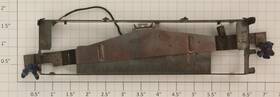
( Brand: American Flyer ), ( Manufacturer Part Number: PA13B847-A ), ( Age Level: 17 Years Up )
Review AMERICAN FLYER #971 Lumber Unloading Car Assembly Brakeman
The **American Flyer PA13B847-A 971 Lumber Unloading Car (Brakeman)** is a meticulously crafted, high-detail model designed to capture the essence of mid-20th-century American railroading, particularly the specialized operations of lumber transport. This rare and historically significant piece represents the **Brakeman s Car**, a unique variant of the classic **PA-13** series, which was originally built by the Pennsylvania Railroad (PRR) to facilitate the efficient unloading of timber from freight cars. The model stands out with its **authentic, weathered wood-grain detailing** on the sides, mimicking the rough-hewn lumber it was meant to transport, while the **smooth, painted undercarriage** contrasts sharply, evoking the industrial precision of the era. The **sloped, angled roof** and **reinforced corners** are characteristic of the original design, ensuring stability during rough handling on rail lines. The **detailed brake gear and couplings** including the **knuckle couplers and air brakes** are intricately molded to reflect the mechanical complexity of the era, while the **side ladders and handrails** add to the functional realism, hinting at the labor-intensive nature of brakemen s duties. The **black-painted body with subtle rust accents** enhances the vintage charm, while the **clear, frosted windows** allow for a glimpse into the car s interior, where faint structural details suggest the reinforced beams and planking used to secure the lumber. This model is not just a decorative piece but a **functional homage** to the loggers and railroad workers who relied on such cars to move vast quantities of timber across the country, making it a prized addition for collectors and enthusiasts of American rail history.
Buying an American Flyer PA13B847-A (971 Lumber Unloading Car Brakeman) model train car has its own set of advantages and disadvantages, depending on your goals, budget, and experience level. Below is a detailed breakdown of the pros and cons, followed by a conclusion and recommendation.
---
### **Pros of buying a American Flyer PA13B847-A**
1. **Historical Accuracy and Authenticity**
The PA13B847-A represents a real Pennsylvania Railroad (PRR) lumber unloading car from the early 20th century, specifically designed for transporting and offloading timber. This level of detail appeals to collectors and hobbyists who prioritize historical representation in their layouts. The model includes features like a functional brake wheel, a detailed underframe, and accurate markings, making it a standout piece for those who value realism.
2. **Functionality and Operational Features**
The car includes a **brakeman s platform** (as indicated by the name), which adds operational depth to your layout. This allows for more dynamic scenarios, such as loading/unloading lumber or simulating yard operations. The brake wheel is a practical addition for those who enjoy running their trains with realistic braking mechanics. Additionally, the car s design may integrate with other American Flyer or compatible models for smoother operation.
3. **Collectible and Investment Potential**
American Flyer models, especially older or limited-edition ones, can appreciate in value over time, particularly if they are in excellent condition. The PA13B847-A, depending on its age and rarity, could be a desirable addition to a collection. If you re interested in long-term investment, this car may hold value, especially if it s part of a complete or themed set (e.g., a PRR-era freight yard).
4. **Compatibility with American Flyer Systems**
As an American Flyer product, this car is designed to work seamlessly with other American Flyer locomotives, cars, and track systems. This includes compatibility with American Flyer s DCC or DC systems, making it easier to integrate into existing layouts without compatibility issues. The car s scale (typically HO or O gauge, depending on the specific model) ensures it fits standard American Flyer infrastructure.
5. **Aesthetic Appeal for Layouts**
The car s design is visually distinct, with detailed lumber storage compartments and a sturdy, industrial look that fits well in freight-focused layouts. Its presence can enhance the realism of a PRR or general freight-themed scene, adding depth and variety to your collection. The brakeman s platform also provides an opportunity for additional scenery or accessory placement (e.g., a small shed or signal).
6. **Educational Value**
For hobbyists or enthusiasts who enjoy learning about railroad history, this car offers a tangible connection to the PRR s operations. Studying its design can provide insights into early 20th-century freight transportation, making it a valuable educational tool for both adults and children interested in model railroading.
7. **Potential for Customization**
While the car is detailed out of the box, its design may allow for customization. For example, you could add weathering, decals, or even modify the underframe for specific layout needs. This flexibility appeals to hobbyists who enjoy personalizing their models to match their vision.
---
### **Cons of buying a American Flyer PA13B847-A**
1. **Cost**
American Flyer models, especially those with historical accuracy and functional features, can be expensive. The PA13B847-A may require a significant investment, particularly if it s a newer or limited-run model. For hobbyists on a tight budget, this could be a drawback, as it may limit the number of cars or accessories you can purchase. Additionally, if the car is vintage, it might come with a premium price tag due to its age and collectibility.
2. **Limited Availability**
Depending on the model s age or rarity, finding the PA13B847-A in stock may be challenging. American Flyer has shifted its focus in recent years, and some older models are no longer produced. This could require searching through used markets, antique shops, or online auctions, which may involve higher risks (e.g., counterfeit items, shipping damage, or authenticity concerns).
3. **Maintenance and Wear**
If purchasing a used or older model, the car may require maintenance or restoration. Rust, worn wheels, or damaged parts are common issues with vintage models. This could add to the overall cost if you need to repair or replace components. Even new models may require occasional upkeep to ensure smooth operation, especially if they re part of a heavily used layout.
4. **Space and Layout Constraints**
Lumber unloading cars like this one are typically larger and bulkier than passenger cars or smaller freight cars. They may not fit well in tight layouts or spaces where maneuverability is limited. If your layout is compact or focused on passenger traffic, this car might feel out of place or impractical. Additionally, its size could make it harder to store if you have limited space.
5. **Specialized Knowledge Required**
Operating a car with a brakeman s platform or functional brake wheel may require familiarity with model railroading mechanics. If you re new to the hobby, you might need to invest time in learning how to properly use and maintain such features. This could be a learning curve, especially if you re used to simpler, non-functional models.
6. **Potential for Over-Specialization**
While the car s historical accuracy is a pro, it could also be a con if you re looking for versatility. Lumber unloading cars are niche compared to more common freight cars (e.g., boxcars or hoppers). If you re building a general freight layout, this car might not be as useful as more ubiquitous models. Over-specializing your collection could limit its flexibility for future expansions or theming.
7. **Compatibility with Non-American Flyer Systems**
While American Flyer models are designed to work with their own systems, compatibility with third-party brands (e.g., Bachmann, Life-Like, or Lionel) may vary. If you mix brands, you might encounter issues with track gauge, electrical systems, or mechanical operation. This could require additional research or modifications to ensure everything works together seamlessly.
8. **Resale Value Uncertainty**
While some American Flyer models appreciate, others may not. The resale value depends on factors like demand, condition, and market trends. If you re buying primarily for investment, there s no guarantee that the car will retain or increase in value. It s important to research the model s history and current market trends before purchasing.
---
### **Conclusion**
The American Flyer PA13B847-A (971 Lumber Unloading Car Brakeman) is a highly detailed and historically accurate model that offers significant appeal to collectors, hobbyists, and enthusiasts of early 20th-century railroading. Its functional features, authenticity, and potential for enhancing a PRR-themed layout make it a compelling purchase for those who prioritize realism and operational depth. However, its cost, limited availability, and potential maintenance needs could be drawbacks, particularly for beginners or those with budget constraints.
The car is best suited for:- Hobbyists who enjoy historical accuracy and functional models.
- Collectors looking to build a PRR or freight-focused layout.
- Those willing to invest time in learning about model railroading mechanics.
- Individuals with space and budget flexibility for specialized models.
For those who prefer versatility, a broader range of freight cars, or a simpler setup, this model may not be the best fit. It s also less ideal for beginners who might find the car s complexity overwhelming without prior experience.
---
### **Recommendation**
**Buy the PA13B847-A if:**- You have a strong interest in Pennsylvania Railroad history and want to add a historically accurate, functional piece to your collection.
- You re building a freight-focused layout and can accommodate the car s size and operational needs.
- You re willing to invest in a model that may appreciate in value over time, either for personal enjoyment or as an investment.
- You have experience with model railroading or are willing to learn about its mechanics (e.g., brake systems, track compatibility).
**Avoid buying the PA13B847-A if:**- You re on a tight budget and can t afford the upfront cost or potential maintenance expenses.
- You re a beginner and prefer simpler, more versatile models to start.
- Your layout lacks space for larger, specialized cars or focuses on passenger traffic rather than freight.
- You re primarily interested in modern or more common freight cars that offer easier compatibility with other models.
**Alternative Considerations:** If you re unsure about this specific model, consider exploring:- **Newer American Flyer freight cars** that offer similar historical accuracy but may be more widely available.
- **Third-party brands** like Bachmann or Life-Like, which offer a broader range of freight cars at varying price points.
- **Vintage or used models** from reputable sellers, which can provide historical value at a lower cost (but always inspect for condition and authenticity).
Ultimately, the PA13B847-A is a fantastic choice for the right hobbyist one who values authenticity, functionality, and the joy of owning a piece of railroading history. However, weigh your priorities carefully to ensure it aligns with your goals and resources.
Details:
Operational Status: Functional This part is in workable condition. Variation: Original. For 971, 25016, 25058. Model Number: PA13B847-A.
Condition may vary due to age and wear. This is missing one spring PA13A845. Train Product Id: 12771073. See picture for a more detailed look at this item.
Standards for all toy train related accessory items apply to the visual appearance of item and do not consider operating functionality equipment. We'll do our absolute best to make you happy. Economy Shipping. Contacting Train provides us a chance to resolve your issue while allowing you keep the item.
Manufacturer: American Flyer.
part #: pa13b847 price
- $20.00
specifications oscaletraini:
- brand: American Flyer
- mpn: Pa13b847-a
- age level: 17 Years Up
seller oscaletraini:
- rating: 99.8%
- # reviews: 738527
- city: Flowery Branch, Georgia
payments oscaletraini:
- other
- credit card: Visa
- wallet: Google-pay
shipping oscaletraini:
- class: Economy, Standard
- service: Economy, Standard
- transit: 5-10 Days
- type: Fixed
- cost: $7.98
general oscaletraini:
- condition: Used
- Railroads Trains > Parts Accessories > Parts Spares
returns oscaletraini:
- policy: Returns Accepted
- method: Money back
- time: 30 Days
- paid by: Seller
offer oscaletraini:
- started: February 28, 2026
- quantity: 1
- sold: 0
- availability: In Stock
- options: Ship-to-home
American Flyer PA13B847 Is Similar To:
- 01305551t American Flyer O Gauge 1680 (36% similar) It is being sold in as condition. No box included. Featured is a American Flyer prewar set with loco and three passenger cars. It is in very good condition, the set has been tested and works properly...(December 27th, 2016)
- 023922217745 Lionel American Legend Custom Gp Consist Blue Car (23.5% similar) Comes with OB8V car comp w flames, 6464 FCC dragster, and ford flame pic. Brand new Lionel custom GP consist 3 PC car set this is. It is factory sealed and comes with 3 pieces...(January 2nd, 2019)
- 023924498067 Lionel Ac Gilbert American Flyer Sawmill New In (32.8% similar) Take a look at the pics to see condition. From a large o gauge collection comes this Flyer sawmill, Lionel 6-49806IT is in very good condition with the box. There is lot more to come. There is sun discoloration on the plastic clam shell...(August 22nd, 2018)
- 11-120-1107-1108 American Flyer Clockwork Tender Passenger (36.4% similar) American Flyer 11 early clock work locomotive w 120 tender cars. This scarce prewar set is in very good all original condition. Please see the above and pictures for imp...(January 5th, 2019)
- 1283 American Flyer Lines Model Train Transformer Free Usa (36.4% similar) See pictures. Up for sale is an American Flyer lines model 1283 train transformer - freesias...(February 27th, 2018)
- 1741 American Flyer Pre-war 401 (38.1% similar) The lead and trailing trucks 1 driver are laminating. Finally, one car is in nice condition while the other has a bit of peeling paint on bottom and could us cleaning. The other looks like a retro to me. Please see all the pictures. As well the retainer ties are present on one car but missing other...(September 3rd, 2017)
- 20-91622 Mth Mkt Usa Extended Vision Caboose With American Flag Brand (25.2% similar) Math MT extended vision caboose, with American flag, brand new...(October 2nd, 2018)
- 20-4151 Mth Rare Prototype 2 Car 70 Madison Passenger American Freedom Train (24% similar) Hand written number code on bottom if shown see photos. This is an o scale rare math prototype 2 car 70' Madison comb din passenger set American freedom train. This is the production sample that was used to approve disapprove the design before it was put into production. Approval disapproval tag ...(April 30th, 2016)
- 30-72142 Mth American Steel Gondola Car With Lcl Containers 658081364582 (34.2% similar) We ll do our absolute best to make you happy. Key features: intricately detailed durable abs body metal wheels and axles die-cast 4-WHEEL trucks operating couplets colorful attractive paint schemes decorative brake fast-angle wheel sets needle-point 3 removable Cl containers unit measures: x ...(January 2nd, 2019)
- 30-79463 Mth Rail King Norfolk Western American Crane Car (24.4% similar) And, at the buy-it-now price of its a great deal. Car features: intricately detailed durable abs body metal wheels and axles die-cast 4-WHEEL trucks operating couplets colorful, attractive paint schemes decorative brake fast-angle wheel sets needle-point manually operated crane hook boom unit ...(November 25th, 2018)
- 30-91628 Mth Union Pacific Steel Caboose With American Flag Gauge Brand (29% similar) Math union pacific steel caboose, with American flag o gauge, brand new...(November 4th, 2018)
