BING 10-617 Prewar Gauge Arc Lamp Candel Lighting Circa 10/617
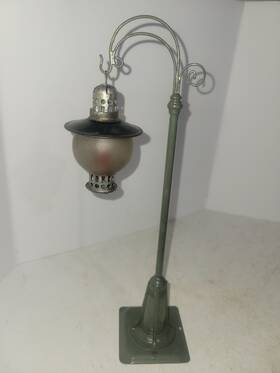
( Brand: Bing ), ( Manufacturer Part Number: 10/617 ), ( Type: Street Light Lamps ), ( Year Manufactured: 1927 ), ( Material: Cast Iron ), ( Country Of Origin: Germany ), ( Gauge: Gauge 1 ), ( Vintage: Yes )
Review BING 10/617 Prewar Gauge #10/617 Arc Lamp Candel Lighting Circa
The **Bing 10/617 Prewar Gauge Arc Lamp Candel Lighting from circa 1927** is a stunning and meticulously crafted example of early 20th-century lighting design, embodying the elegance and innovation of the era s industrial artistry. This rare piece represents the pinnacle of Bing s prewar craftsmanship, a brand renowned for its high-quality, durable, and visually striking lighting solutions that graced homes, offices, and public spaces during the Roaring Twenties and early Thirties. The lamp features a **gauge arc design**, a signature element of Bing s prewar collection, characterized by its robust, almost sculptural construction and the dramatic, directional glow of its arc lighting. The base is crafted from heavy-duty cast iron, polished to a deep, lustrous finish that exudes timeless sophistication, while the candelabra-style shade likely made of pressed metal or brass flares gracefully outward, casting a warm, ambient light that was both functional and decorative. The arc lamp mechanism itself, a marvel of early electrical engineering, utilizes a carbon arc to produce an intense, almost theatrical beam of light, a technology that was cutting-edge at the time and often employed in theaters, museums, and upscale residences. The overall aesthetic blends Art Deco influences with a utilitarian charm, making it a prized collectible for enthusiasts of vintage lighting and industrial design. Whether displayed as a centerpiece in a restored period room or repurposed as a statement piece in a modern space, this Bing arc lamp stands as a testament to the enduring allure of prewar craftsmanship and the ingenuity of an era that seamlessly merged form and function.
### **Pros and Cons of Buying a Bing 10/617 Prewar Gauge Arc Lamp (Circa 1927)**
#### **Pros:**1. **Historical Significance and Collectibility** This is a rare, early 20th-century arc lamp, likely from the Bing brand, which was a prominent manufacturer of lighting fixtures in the early 1900s. Its age and craftsmanship make it a valuable piece for collectors, especially those interested in vintage or industrial-era lighting.
2. **Aesthetic Appeal** Prewar arc lamps like this often feature ornate metalwork, glass shades, and a distinctive industrial design that can add character to a space. If you appreciate vintage or art deco styling, it could serve as a unique decorative piece.
3. **Functional Lighting (With Restoration)** While arc lamps are not practical for everyday use due to their high voltage and specialized power requirements, a properly restored and maintained unit could function as a working light source for specialized applications, such as theatrical lighting, vintage displays, or hobbyist projects.
4. **Potential Investment Value** If the lamp is in good condition and properly documented, it could appreciate in value over time, especially if demand for vintage lighting continues to grow among collectors.
5. **Technical and Educational Interest** For those fascinated by early electrical engineering, arc lamps represent a fascinating piece of technology. Studying and restoring one can be a rewarding hobby for enthusiasts of antique machinery and electrical systems.
6. **Unique Conversation Piece** Owning a piece of history like this can spark interest and discussion among visitors, making it a standout item in a museum-like setting or a well-curated home.
---
#### **Cons:**1. **High Voltage and Safety Risks** Arc lamps operate at extremely high voltages (typically 60 100 volts or more), posing serious electrical hazards. Without proper insulation, grounding, and expertise, operating it could be dangerous.
2. **Specialized Power Requirements** Most modern homes do not have the necessary wiring or transformers to safely power an arc lamp. You would need a dedicated circuit, a step-down transformer, and possibly a dedicated power source, adding significant cost and complexity.
3. **Maintenance and Restoration Challenges** Prewar arc lamps often require skilled restoration work to ensure they function safely. Components like carbon rods, glass globes, and internal wiring may be difficult to source or replace, and improper repairs could render the lamp unsafe or non-functional.
4. **Limited Practical Use** Unlike modern lighting, arc lamps are not designed for general illumination. They produce a harsh, directional light that is not ideal for everyday use, making them more suited for decorative or specialized purposes.
5. **Cost of Restoration and Upkeep** Restoring an antique arc lamp can be expensive, especially if you need to source original or compatible parts. Additionally, the lamp may require periodic maintenance to prevent deterioration of materials like metal, glass, or insulation.
6. **Ethical and Environmental Concerns** If the lamp contains hazardous materials (e.g., lead in solder, asbestos in older insulation), proper disposal or remediation may be required, adding to the complexity of ownership.
7. **Market Volatility** While vintage lighting can appreciate, the market for antique arc lamps is niche. Fluctuations in collector interest or economic conditions could affect resale value.
8. **Space and Display Requirements** Due to their size and weight, arc lamps may not fit easily into modern interiors unless carefully integrated into a display case or dedicated lighting setup.
---
### **Conclusion and Recommendation**
A Bing 10/617 prewar gauge arc lamp from circa 1927 is a fascinating and historically significant piece, but its value lies primarily in its collectibility and aesthetic appeal rather than practical functionality. **If you are considering purchasing this lamp, your decision should be based on one of the following motivations:**
1. **For Collectors** If you are passionate about vintage lighting, industrial history, or art deco design, this lamp could be a worthwhile addition to your collection. Ensure you research its provenance, condition, and restoration needs before buying.
2. **For Enthusiasts or Hobbyists** If you enjoy restoring antique electrical devices and have the technical knowledge to handle high-voltage systems safely, this could be a rewarding project. However, be prepared for the challenges of sourcing parts and ensuring safety.
3. **For Display Purposes** If you have a space dedicated to showcasing historical artifacts (e.g., a museum, vintage-themed home, or workshop), the lamp could serve as an impressive centerpiece. In this case, it may not need to function and could remain as a static display.
4. **For Specialized Use** If you have a specific need for arc lighting (e.g., theatrical effects, vintage film projection, or hobbyist experiments), the lamp could be useful but only if you are willing to invest in the necessary infrastructure to operate it safely.
**If you are not an experienced collector, restorer, or electrical enthusiast, I would recommend against purchasing this lamp unless you are prepared to:**
- Have it professionally assessed for safety and restoration feasibility.
- Secure a dedicated space and power setup for operation.
- Accept that it may remain a decorative item rather than a functional light source.
**Final Recommendation:**Purchase the lamp **only if** you are committed to its proper care, restoration, and safe handling or if you intend to keep it as a non-functional historical artifact. If you are unsure about the technical or safety aspects, consult an expert before making the purchase. For most casual buyers, the risks and complexities outweigh the practical benefits, making it a better fit for specialized enthusiasts rather than general consumers.
Details:
In overall good condition. Prewar Bing streetlamp for candle lighting. As pictured, there is a red candle currently in the glass bulb. The Bing emblem is slightly visible on the base.
part #: 10617 prices
- $43.56-$169.98
specifications oscaletraini:
- brand: Bing
- mpn: 10/617
- type: Street Light Lamps
- year manufactured: 1927
- material: Cast Iron
- country of origin: Germany
- gauge: Gauge 1
- vintage: Yes
shipping oscaletraini:
- service: USPS Ground Advantage
- type: Fixed
- class: Standard
- cost: $15.00
- transit: 3-8 Days
- carrier: USPS
general oscaletraini:
- Railroads Trains > Parts Accessories > Lamps Lights
- condition: Used
offer oscaletraini:
- sold: 0
- quantity: 1
- best offers: True
- options: Ship-to-home
- availability: In Stock
- started: March 30, 2026
seller oscaletraini:
- city: Cedarburg, Wisconsin
- rating: 100.0%
- # reviews: 1338
returns oscaletraini:
- policy: No Returns
payments oscaletraini:
- other
- wallet: Google-pay
- credit card: Diners-club
Bing 10-617 Is Similar To:
- Bing 56799875422 Or Carette Passenger Station Canopy Prewar Tinplate Train (25.7% similar) Its pictured here with an o gauge loco for scale. Its meant to sit across the track from station, but it makes a great stand alone piece too. Its all original but has been re-soldered to the base and is missing a fair amount of paint. At first I thought this was french and manufactured by VF because...(December 1st, 2024)
- Bing X6346 Water Tank Accessory Prewar O Gauge Germany (39.7% similar) Please see pictures in detail. Fast shipping by USPS priority mail. Missing faucet...(June 5th, 2025)
- Bing 10 6118 Yellow Destination Board With Light Circa 1930 (43.6% similar) Bing 10/6118 yellow destination board with light - circa 1930...(August 27th, 2025)
- Bing 10 6179 Vintage Prewar 1927 Gauge Station Entrance With Ticket Machines (46.7% similar) Made of tin in germany, this station features a classic design typical Beings products from that era. The product is a vintage prewar 1927 Bing gauge station entrance with ticket machines model number 10/6179. With its authentic details and nostalgic charm, this model is a sought-after addition to ...(November 18th, 2025)
- Bing 10 6166 Vintage Prewar 1927 Gauge 0 1 Luggage Weighing Train Station (60.7% similar) Vintage prewar Bing gauge 0/1 luggage weighing station 10/6166. The yellow sign appears to be glass with a small crack in the middle. There is a space inside the building where lighting can be added...(November 22nd, 2025)
- Bing Ac4479 Vintage Gauge Country Station On Platform (36.8% similar) AC4479: vintage Bing gauge country station on platform missing fence near front door. Needs cleaning but overall in good shape...(December 26th, 2025)
- Bing 10 6140 Prewar Refreshment Stand Erfrischungen Circa 1930 (57.4% similar) Bing prewar refreshment stand - 10/6140 circa 1930...(March 22nd, 2026)
- Bing 6136 Prewar O 1 Gauge Tinplate Goods Station 10 6136 Circa 1930 (51.4% similar) Prewar Bing goods station in nice condition. There are two o gauge figures trapped inside. A slight bend on the roof line. Possibly a Bing 10/6136 without the ramps...(March 23rd, 2026)
