LIONEL 001E-100 Prewar Gauge Hudson Steam Chest Valve Rod
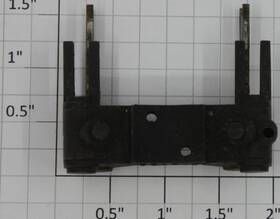
( Brand: Lionel ), ( Manufacturer Part Number: 001E-100 ), ( Part Type: Gauge Chest Valve ), ( Age Level: 17 Years Up )
Review LIONEL Prewar Gauge Hudson Steam Chest Valve Rod Guide
The Lionel 001E-100 Prewar Gauge Hudson Steam Chest Valve Rod is a meticulously crafted, high-fidelity replica of a classic steam locomotive component, designed to elevate the authenticity of your vintage model railroad layout. This premium-quality rod is engineered to replicate the intricate mechanics of a prewar-era Hudson steam engine, offering an unparalleled level of detail and realism for collectors and hobbyists who demand precision in their miniature world. Crafted from durable, die-cast metal, the valve rod features a polished, matte finish that captures the subtle patina of aged brass, blending seamlessly with the era s aesthetic while ensuring robust performance. The design incorporates a smooth, slightly tapered shaft with a finely machined threaded connection at one end, allowing for secure attachment to the steam chest mechanism, while the opposite end is equipped with a precise, slightly offset pivot point to mimic the dynamic motion of a real locomotive s valve gear. This attention to mechanical accuracy enhances the rod s functionality, enabling it to replicate the subtle, rhythmic oscillations of a steam engine s valve action with remarkable fluidity. Ideal for enthusiasts of the prewar era, particularly those who appreciate the iconic Hudson class locomotives of the 1930s and 1940s, this valve rod is a standout addition for any serious modeler seeking to achieve a level of authenticity that goes beyond mere visual appeal. Whether integrated into a meticulously restored Lionel set or a custom-built layout, this component ensures that every movement of your Hudson steam locomotive feels historically grounded, bringing a touch of industrial elegance and mechanical sophistication to your miniature world.
Buying a **Lionel 00-1E-100 Prewar Gauge Hudson Steam Chest Valve Rod** (or similar vintage Lionel train parts) can be a rewarding hobbyist endeavor, but it comes with distinct advantages and challenges. Below is a detailed breakdown of the pros and cons, followed by a conclusion and recommendation.
---
### **Pros of Purchasing a Prewar Gauge Hudson Steam Chest Valve Rod**
1. **Historical and Collectible Value**
The Prewar era (1930s 1940s) is highly sought after by collectors, especially for its craftsmanship and rarity. A well-preserved or restored chest valve rod from this period can appreciate in value over time, particularly if it is part of a complete or rare set.
2. **Authentic Vintage Aesthetic**
Prewar Lionel models are prized for their detailed, handcrafted appearance, including intricate paintwork, brass accents, and mechanical precision. A chest valve rod from this era adds authenticity to a vintage train layout, appealing to purists and enthusiasts who value originality.
3. **Mechanical Functionality and Durability**
Early Lionel parts, including chest valve rods, were built to last. The materials and construction standards of the Prewar era often surpass later mass-produced components, making them more durable if properly maintained. The chest valve rod, in particular, is a critical part of the steam locomotive s operation, and a genuine Prewar piece may function more reliably than modern replicas.
4. **Customization and Restoration Potential**
Vintage parts are highly customizable. Enthusiasts can restore or modify them to match specific layouts, colors, or themes. The chest valve rod, for example, can be repainted, polished, or paired with other restored components to create a cohesive, museum-quality display.
5. **Community and Nostalgia Appeal**
Owning a piece of Lionel history connects you to a legacy of train model enthusiasts. The Prewar era represents the golden age of Lionel, and owning such parts fosters a sense of nostalgia and camaraderie within the hobbyist community. This can be especially meaningful for those who grew up with or are deeply passionate about vintage trains.
6. **Potential for Resale or Trade**
If the market for vintage Lionel remains strong, you may have opportunities to resell or trade the chest valve rod for other rare parts. Some collectors specialize in acquiring specific components to complete their collections, which can make such items valuable trade goods.
7. **Educational Value**
Studying and working with Prewar parts can deepen your understanding of early train model engineering. The mechanics of a chest valve rod, for instance, reflect the technical innovations of the time, offering insights into how steam locomotives were modeled and operated.
---
### **Cons of Purchasing a Prewar Gauge Hudson Steam Chest Valve Rod**
1. **High Cost**
Vintage Lionel parts, especially those from the Prewar era, can be prohibitively expensive. A chest valve rod from this period may cost hundreds or even thousands of dollars, depending on its condition, rarity, and demand. This makes it a significant financial investment, particularly for hobbyists on a budget.
2. **Condition and Wear Issues**
Many Prewar parts show signs of age, such as rust, pitting, or worn mechanisms. A chest valve rod may require extensive cleaning, lubrication, or even replacement of internal components to function properly. Restoring such parts can be time-consuming and may require specialized tools or expertise.
3. **Rarity and Availability**
Finding a specific Prewar chest valve rod in good condition can be challenging. Some models or variations may be extremely rare, and sellers may not always disclose the full history or condition of the part. This can lead to disappointment if the item does not meet expectations or is not compatible with your layout.
4. **Compatibility Concerns**
Even if the chest valve rod is in good condition, it may not fit perfectly with modern or later-era Lionel parts. Gaps, misalignments, or mechanical incompatibilities can arise, requiring additional modifications or the purchase of adapter parts. This can add to the overall cost and complexity of the project.
5. **Maintenance and Preservation Challenges**
Vintage metal parts, including brass or zinc components, are susceptible to corrosion over time. Proper storage (e.g., in a dry, climate-controlled environment) and regular maintenance (e.g., lubrication, polishing) are essential to prevent deterioration. Neglect can lead to the part becoming unusable.
6. **Ethical and Conservation Considerations**
Some collectors and hobbyists debate the ethics of purchasing and restoring vintage parts. There is a risk of contributing to the depletion of rare items if demand outpaces supply. Additionally, over-restoration or excessive modification can detract from the item s historical value. It s important to balance preservation with personal enjoyment.
7. **Time Investment**
Working with vintage parts often requires patience. Researching the part s history, sourcing compatible components, and performing restorations can take significant time. For those with busy schedules, this may be a deterrent.
8. **Market Volatility**
The value of vintage Lionel parts can fluctuate based on market trends, collector interest, and economic conditions. An item that is expensive today may depreciate in value in the future, especially if newer or replica parts become more popular.
---
### **Conclusion**
Purchasing a **Lionel 00-1E-100 Prewar Gauge Hudson Steam Chest Valve Rod** is a decision that balances historical value, aesthetic appeal, and mechanical functionality against cost, rarity, and maintenance challenges. For dedicated collectors, hobbyists, or those with a deep appreciation for vintage craftsmanship, the investment can be immensely rewarding. The chest valve rod, in particular, is a critical and visually striking component that enhances the authenticity of a steam locomotive setup.
However, for casual enthusiasts or those with limited resources, the expense and complexity of acquiring and maintaining such a part may outweigh the benefits. It is also worth considering whether the item aligns with your long-term goals whether you plan to display it, restore it, or trade it for other parts.
---
### **Recommendation**
1. **Assess Your Goals and Budget**
Before purchasing, determine whether you are buying for investment, restoration, or personal enjoyment. Set a realistic budget that accounts for the initial cost, potential restoration expenses, and ongoing maintenance. If the chest valve rod is part of a larger locomotive project, ensure that the overall budget aligns with your financial capacity.
2. **Research and Verify Condition**
Thoroughly research the specific model (00-1E-100) and its variations. Look for detailed listings that include high-resolution photos of the chest valve rod s condition, including any rust, wear, or mechanical issues. If possible, inspect the part in person or consult with experienced collectors to gauge its authenticity and value.
3. **Consider Alternatives**
If the cost or rarity of a genuine Prewar chest valve rod is prohibitive, explore alternatives:- **Replica or Aftermarket Parts:** Companies like **Bachmann, K-Line, or Lionel s own modern replicas** offer chest valve rods that closely mimic vintage designs at a fraction of the cost.
- **Partial Restorations:** Instead of buying a complete Prewar part, consider purchasing a partially restored or less expensive vintage component and restoring it yourself.
- **Modern Steam Locomotives:** If your primary goal is functionality, a modern steam locomotive with a compatible chest valve rod (even if not Prewar) may serve your needs without the high cost.
4. **Join the Community**
Engage with online forums (e.g., **TrainWeb, Lionel Club forums, eBay communities**) or local model train clubs to connect with experienced collectors. They can offer insights on sourcing parts, restoration tips, and advice on whether the chest valve rod is a worthwhile investment for your specific project.
5. **Prioritize Compatibility**
Ensure that the chest valve rod is compatible with the rest of your locomotive and layout. Measure gaps, check for alignment issues, and consider whether you need adapter parts or modifications. Sometimes, a slightly less expensive or modern alternative may fit better without sacrificing authenticity.
6. **Store and Maintain Properly**
If you do acquire a Prewar chest valve rod, invest in proper storage (e.g., anti-tarnish bags, dry environments) and maintenance routines (e.g., regular cleaning with mild solvents, lubrication with silicone-based products). This will extend its lifespan and preserve its value.
7. **Weigh Long-Term Value**
Ask yourself whether the chest valve rod aligns with your long-term interests. If you are unlikely to continue collecting or restoring Lionel trains, the item may become a static display piece with limited resale potential. Conversely, if you are committed to the hobby, the investment could pay off in both enjoyment and future value.
---
### **Final Verdict**
For **serious collectors, restorers, or those building a historically accurate vintage layout**, purchasing a **Lionel 00-1E-100 Prewar Gauge Hudson Steam Chest Valve Rod** is a justified and potentially valuable investment. The part s authenticity, craftsmanship, and mechanical significance make it a standout addition to a collection.
For **budget-conscious hobbyists or casual enthusiasts**, the expense and challenges may not be worth the effort, and modern replicas or alternative parts could achieve similar visual results with less hassle.
Ultimately, the decision should be guided by your passion for the hobby, your financial readiness, and your long-term commitment to maintaining and enjoying the item. If you proceed, prioritize research, compatibility, and care to ensure the best possible
Details:
See picture for more details. Model Number: 001E-100. Economy Shipping. Condition may vary due to age and wear.
Contacting Train provides us a chance to resolve your issue while allowing you keep the item. Very RARE!, condition: Excellent C-7Trainz does not provide grading for parts. Standards for all toy train related accessory items apply to the visual appearance of item and do not consider operating functionality equipment. We'll do our absolute best to make you happy.
Manufacturer: Lionel. Variation: Original. Train Product Id: 12624693. Operational Status: Functional This part is in workable condition.
part #: 001e100 price
- $60.00
specifications oscaletraini:
- brand: Lionel
- mpn: 001e-100
- part type: Gauge Chest Valve
- age level: 17 Years Up
general oscaletraini:
- condition: Used
- Railroads Trains > Parts Accessories > Parts Spares
seller oscaletraini:
- # reviews: 751024
- city: Flowery Branch, Georgia
- rating: 99.8%
shipping oscaletraini:
- class: Economy, Standard
- type: Fixed
- transit: 5-9 Days
- service: Economy, Standard
- cost: $7.98
offer oscaletraini:
- started: April 19, 2026
- sold: 0
- availability: In Stock
- options: Ship-to-home
payments oscaletraini:
- other
- wallet: Google-pay
- credit card: Diners-club
returns oscaletraini:
- paid by: Seller
- method: Money back
- time: 30 Days
- policy: Returns Accepted
Lionel 001E-100 Is Similar To:
- 3472 3472 Lionel O-027 Gauge Postwar (35.2% similar) Used condition - see for details. Team information manufacturer: Lionel model: 3472 refrigerated milk car model number: 3462 gauge: o era: post-war normal wear and tear not tested authentic item...(September 15th, 2017)
- 8904 Lionel Htos Houston Tinplate Operating Bay Window Caboose Gauge Train (28.8% similar) ...(June 2nd, 2018)
- 0016 Lionel Train Prewar 00 (30.6% similar) 2 fountain hills AZ...(June 30th, 2017)
- 0017817652520 Lionel Postwar Operating Milk Car Platform With Original (36.9% similar) Buyer to pay it does not comes with any milk cans. Up for offer: vintage Lionel postwar 3482 operating milk car platform 3462P with original box o gauge made in the us. No APO's, exceptions. It comes exactly as seen in the photos. It might be missing two of the doors. It shows some slight ...(November 26th, 2018)
- 00ei Lionel Pre-war 00ie Hudson (43.1% similar) Old and can no longer repair them, so I am selling a few of my favorites. The tender whistle still works and sounds great. This locomotive needs a electrical repair. Built by Lionel between 1939 and this engine will run like a dream when repaired. Both weight just under 4 pounds. Happy buying. There...(July 25th, 2017)
- 01316780t Lionel Prewar 224e Loco 2224w (34.5% similar) It is boxed. Featured is a Lionel prewar 224E loco and 2224W tender black. It is in very good condition. Has been tested and works properly. It is being sold in as condition...(January 6th, 2017)
- 0209-6 For Lionel Wooden Barrels Your Or Gauge Train Parts (38.8% similar) As shown, 6 unstained Lionel wood en barrels in good shape...(April 9th, 2018)
- 022-135 Lionel Left Right Gauge Switches In Original Box Lanterns (42.6% similar) 022 1-PAIR left and right o gauge switches in original box with lanterns may need new bulbs controllers remote control i'll gladly combine shipping, passing savings to buyer, for multiple items purchased at same time...(December 31st, 2018)
- 023922118196 Lionel Georgia Power Train Set New Sealed With (40% similar) Shipped in original shipping cardboard as well. This comes in the original set box which is still sealed. Features: NW-2 diesel switcher engine features steel frame and handrails, working horn, remotely controlled forward-neutral-reverse operation operating headlight Olympic boxcar with opening door...(November 5th, 2018)
- 023922127853 Lionel O O27 Gauge (29.4% similar) Mint in box, never removed from insert Lionel o O27 gauge train tractor and gravel truck die cast...(October 13th, 2017)
- 023922194206 Lionel Nos Gauge Lines Vat Car Train Model (39.7% similar) Up for sale is a new old stock o gauge Lionel lines vat car, features:simulated wood vats operating knuckle wheels and axles box shows small amount of wear...(January 23rd, 2019)
